The global short-term rental (STR) market exceeded $124 billion in 2024 and continues to expand as travel and attendance at live events rebounds strongly post the pandemic (Statista, 2024). As supply increases across major cities, competition intensifies and revenue optimisation becomes more complex.
However, one of the most consistent and under-utilised pricing drivers in urban markets is local event-led demand.
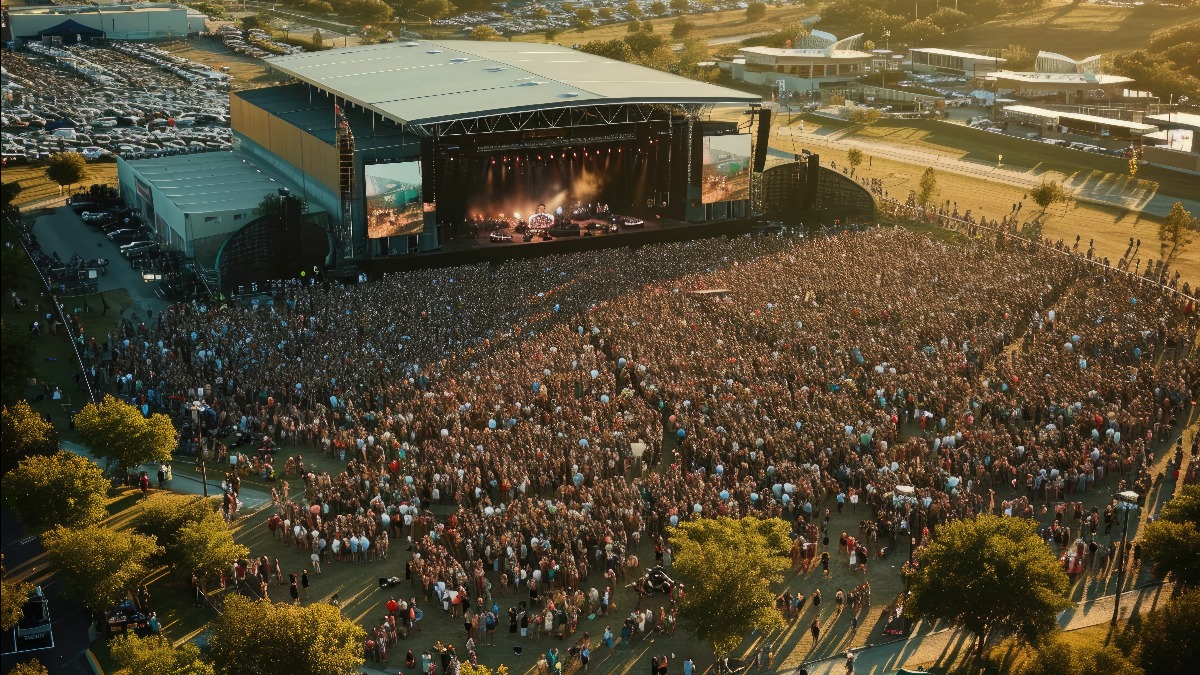
AirDNA’s recent Market Review demonstrates that major events frequently drive 20–50% increases in Average Daily Rates (ADR), with occupancy during peak event weekends, such as Taylor Swift or Harry Styles often exceeding 85–90%.
These are not anomalies. They are recurring, structured demand shocks.
Events move STR markets through three core mechanisms:
Hotel Saturation Effect
Hotels fill first due to contracts and corporate bookings, pushing overflow demand into STR supply.
Booking Window Compression
Guests booking for events often reserve closer to the date, increasing pricing volatility.
Reduced Price Elasticity
When attending a major event, proximity outweighs price sensitivity.
“Events are not random demand spikes — they’re predictable revenue moments,” says Paul O’Donoghue, Co-Founder & CEO of HostAlert. “Hosts who understand that and act early consistently outperform those who wait for occupancy signals.”
Why Most Hosts Miss the Upside
Dynamic pricing tools optimise around historical pacing, pricing and competitor trends. However, they often detect demand acceleration after booking behaviour changes. By that stage, premium STR sites may already be secured with the chance to realise increased revenue lost.
Consider this as a typical example of lost opportunity:
- Normal/baseline ADR: £180
- High impact event additional uplift: £108 (+60%)
- 3-night window for each event
- 5 major events annually (that the host has missed)
£108 × 3 × 5 = £1,620 incremental revenue per property.
For hosts operating multiple listings, the compounding effect is even more severe. In a sector where net margins often sit between 15–25% (Skift Research, 2023), incremental ADR uplift opportunities disproportionately improve profitability with little extra work.
Event Awareness as Strategic Advantage
Event-driven revenue management enables hosts to:
- Increase rates ahead of demand compression
- Set minimum stays strategically
- Avoid underpricing peak nights
- Protect their STR for higher-value bookings
The STR market is increasingly data-led. The competitive edge now lies in knowledge and timing, not just pricing.
At HostAlert, we believe event-driven demand is one of the most underutilised revenue levers in STR — and hosts who systematically identify and price accordingly around event-demand surges consistently outperform market averages over time.
Sources: Statista (2024), AirDNA (2023 Annual Review), Skift Research (2023)